
ITR-2 Filing (Salary + Capital Gains + Other Income)₹2,499/-*
For individuals with capital gains, multiple properties or foreign income
+ 18% GST · no lock-in · Typically filed within 2–4 working days, depending on transaction volume.

ITR-2 Filing,end to end.
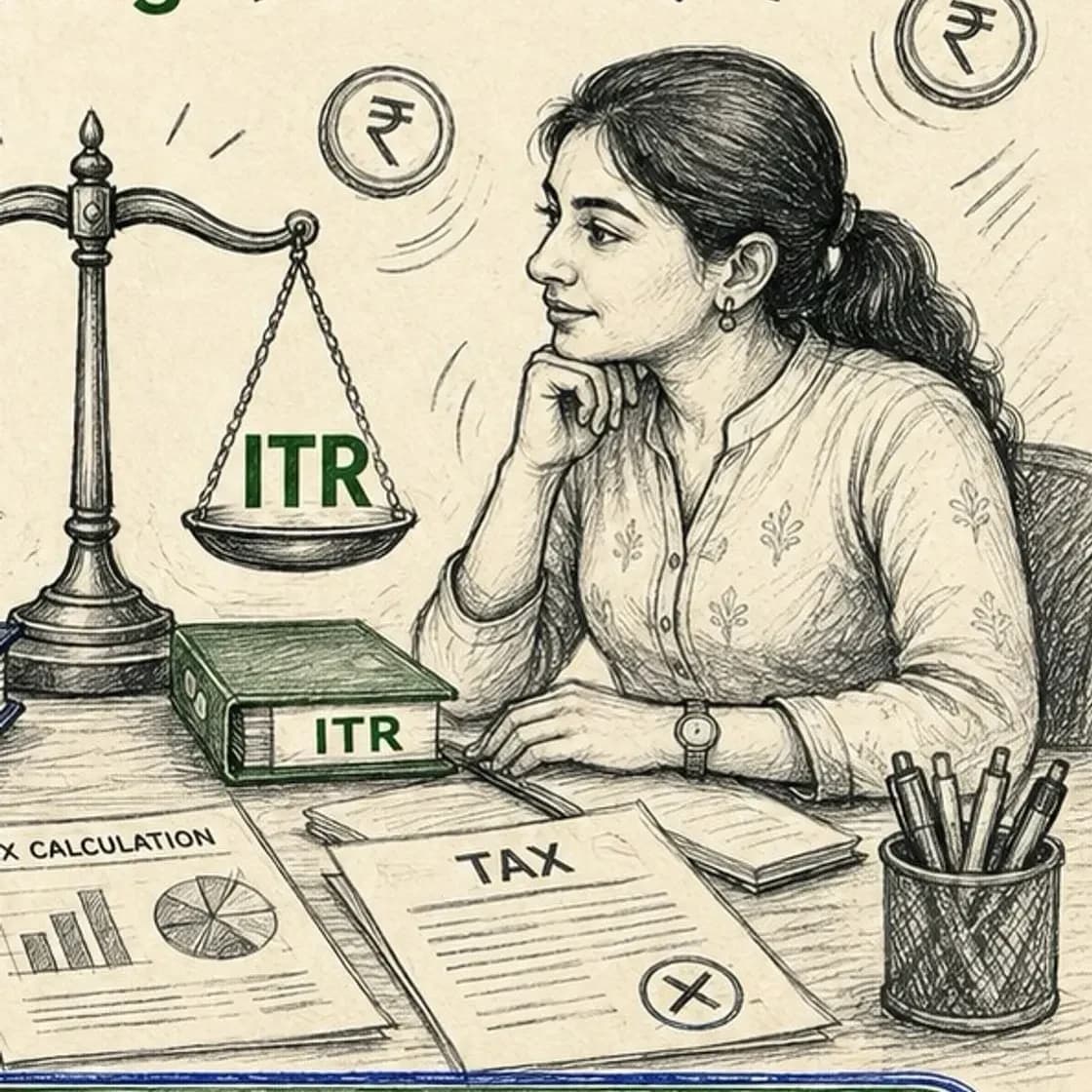
At a glance
Starts at ₹2,499/-* · Typically filed within 2–4 working days, depending on transaction volume.
- Capital gains computation (equity, mutual funds, property)
- Set-off and carry-forward of losses
- Reconciliation with AIS, 26AS and broker statements
- Old vs new regime comparison
- Preparation, online filing and e-verification of ITR-2
Reviewed by Ashish Kumar Sharma · Founder
Built forthese businesses.
Investors with capital gains from shares or mutual funds
Individuals with more than one house property
NRIs and those with foreign income or assets
Salaried taxpayers not eligible for ITR-1





ITR-2 applies to individuals and HUFs who earn capital gains, hold multiple properties, or have foreign income or assets — in short, those whose returns are too complex for ITR-1.
Our team handles the tricky parts: capital gains computation across equity, mutual funds and property, loss set-offs, and reconciliation with broker statements and the AIS, before filing an accurate ITR-2.
When ITR-2 is the right form
ITR-2 is for resident and non-resident individuals and HUFs who earn income but not from a business or profession. It is the form you need the moment your affairs go beyond a simple salary: capital gains on shares, mutual funds or property; income from more than one house property; foreign income or foreign assets; income as a company director; or holdings of unlisted equity shares.
Because it captures more income heads, ITR-2 demands careful schedule-by-schedule reporting — capital gains computation, exemption claims under sections 54/54F/54EC, set-off and carry-forward of losses, and disclosure of foreign assets in Schedule FA. Errors here are the most common trigger for scrutiny, so accuracy is everything.
Who typically files ITR-2
- Salaried individuals who also sold shares, mutual funds, crypto or property during the year.
- Taxpayers owning more than one house property or earning rental income from several properties.
- Company directors and holders of unlisted shares (e.g. startup ESOP holders).
- Residents with foreign income, foreign bank accounts or assets requiring Schedule FA disclosure.
- Non-resident Indians (NRIs) with Indian income beyond simple interest.
Capital gains — the part that needs an expert
Capital gains are taxed differently by asset and holding period. Listed equity and equity mutual funds held over 12 months are long-term; gains above the annual exemption are taxed at the applicable LTCG rate, while short-term gains on the same assets are taxed at the special STCG rate. Property and unlisted assets follow their own holding-period and indexation rules, with reinvestment exemptions available under sections 54, 54F and 54EC.
We compute each transaction correctly, apply grandfathering where relevant, claim every reinvestment exemption you qualify for, and set off losses in the most tax-efficient order so you do not pay a rupee more than the law requires.
Process, documents and due date
- Share Form 16, capital gains statements from your broker/AMC, property sale deeds and foreign asset details.
- We reconcile with AIS and 26AS, compute each income head and prepare every schedule.
- You approve the computation; we file and assist with e-verification within 30 days.
- Due date for non-audit cases is 31 July of the assessment year. A belated return is allowed up to 31 December; a revised return, under the Income-tax Act, 2025, up to 31 March following the tax year.
Why TCC for ITR-2
ITR-2 rewards precision and punishes guesswork. Our experts handle the capital-gains math, foreign-asset disclosures and loss set-offs that DIY portals get wrong, reconcile everything against the department records, and stand behind the return if a query arrives — all on a clear fixed fee.
What's included
- Capital gains computation (equity, mutual funds, property)
- Set-off and carry-forward of losses
- Reconciliation with AIS, 26AS and broker statements
- Old vs new regime comparison
- Preparation, online filing and e-verification of ITR-2
How we work
01
Share statements
Send Form 16, capital gains and broker statements.
02
We compute
We calculate gains, losses and the best regime.
03
You approve
Confirm the computation before filing.
04
File & verify
We file and support e-verification.
Documents we need
- PAN and Aadhaar
- Form 16 (if salaried)
- Capital gains / broker profit & loss statements
- Property sale and purchase deeds (if applicable)
- Details of foreign income or assets (if any)
- Investment proofs for deductions
Frequently asked
When do I need ITR-2?+
When you have capital gains, more than one house property, foreign income or assets, or you are otherwise not eligible for ITR-1 or ITR-4.
How are equity gains taxed?+
Short-term and long-term capital gains on listed equity are taxed at prescribed rates, with an exemption threshold for long-term gains. We compute these accurately.
Can past losses be carried forward?+
Yes, eligible capital and other losses can be carried forward if the return is filed on time. We track and set them off correctly.
Who should file ITR-2?+
Individuals and HUFs with capital gains, more than one house property, foreign income or assets, or who are company directors, but with no business or professional income.
How are capital gains taxed?+
Listed equity and equity mutual fund long-term gains above ₹1.25 lakh are taxed at 12.5%; short-term at 20%. Other assets follow their own holding-period and rate rules, which we compute correctly.
Can I set off and carry forward capital losses?+
Yes. Capital losses can be set off and carried forward up to eight years if the return is filed by the due date. We schedule them in your return.
Do I need to report foreign assets?+
Resident taxpayers must disclose foreign assets and income in Schedule FA. Non-disclosure carries heavy penalties under the Black Money Act.
What documents are needed for capital gains?+
Broker and capital-gains statements, sale and purchase deeds for property, and details of any reinvestment for exemptions under sections 54 and 54F.
ITR-2 Filing across India. We file for clients in Jaipur, Jodhpur, Udaipur, Kota, Ajmer, Bikaner, Delhi, Mumbai, Bengaluru, Pune, Surat and Ahmedabad, and everywhere the portals reach.
Related services
- ITR-3 FilingFor business owners, professionals and traders with F&O or intraday income
- ITR-1 FilingFor salaried individuals and pensioners with income up to the prescribed limit
- Virtual CFOPart-time CFO — cash flow, budgeting, MIS, fundraising and strategy
- Tax AuditStatutory tax audit under section 44AB — Form 3CA/3CB and 3CD
- ITR-4 FilingFor small businesses and professionals opting for presumptive taxation
- ITR-5 / ITR-6 FilingEntity returns for partnership firms, LLPs and companies, reconciled to the books

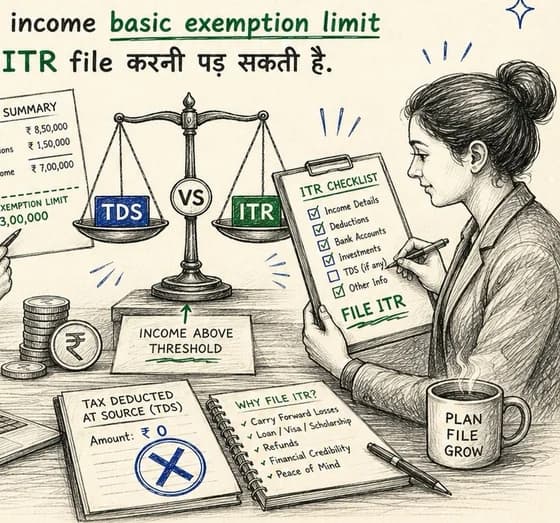
Read more on the blog
Ready for hassle-free ITR-2 Filing?
Pick a slot or WhatsApp us — we'll take it from there.
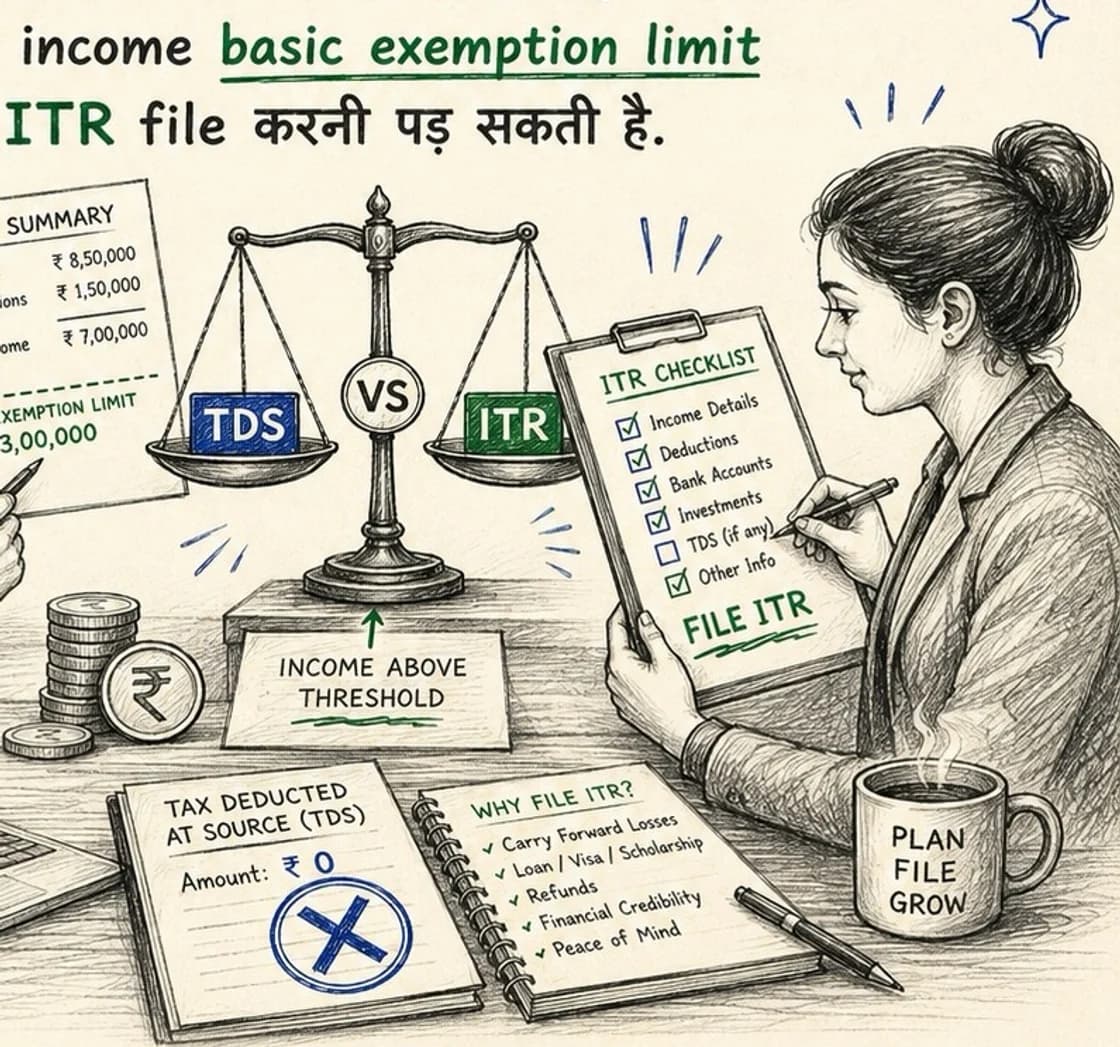
- Reply within one working hour on WhatsApp
- Fixed monthly fee, agreed before any work starts
- No lock-in — month to month, 15 days’ notice
Request a callback
Two fields and you are done. We reply on WhatsApp within one working hour, Mon–Fri 10:00–19:00 and Sat 10:00–14:00 IST.
or message us on WhatsApp instead →