
Presumptive taxation lets small businesses and professionals declare profit as a fixed percentage of turnover instead of maintaining detailed books and getting audited. Under the Income-tax Act 2025 the old sections 44AD, 44ADA and 44AE now sit in section 58. Businesses typically declare 8% of turnover (6% for digital receipts) and professionals 50% of gross receipts.
The scheme covers three groups. Small businesses (old 44AD) declare 8% of cash turnover or 6% of digitally received turnover as profit, with eligibility up to ₹2 crore turnover, extended to ₹3 crore where cash receipts stay within 5%. Professionals like doctors, architects and consultants (old 44ADA) declare 50% of gross receipts, with a ₹50 lakh limit extended to ₹75 lakh on the same low-cash condition. Transporters (old 44AE) declare fixed income per vehicle.
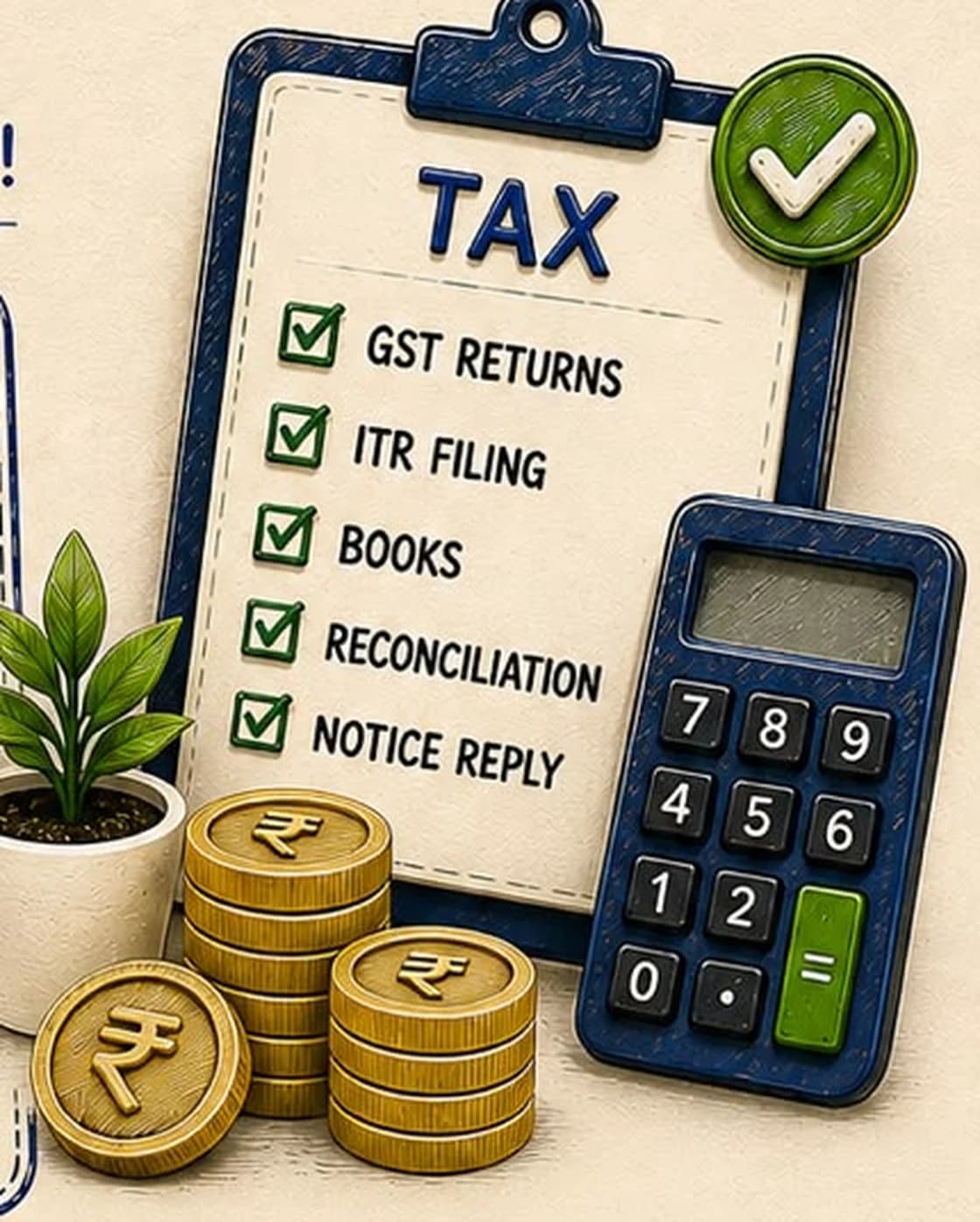
In practice you file ITR-4, skip the profit-and-loss grind, and avoid tax audit as long as you declare at least the presumptive percentage. You can declare more if actual profit is higher. Advance tax is simpler too — presumptive taxpayers pay it in a single instalment by 15 March rather than quarterly. For a trading or service MSME with clean digital collections, this is usually the lowest-friction way to stay compliant.
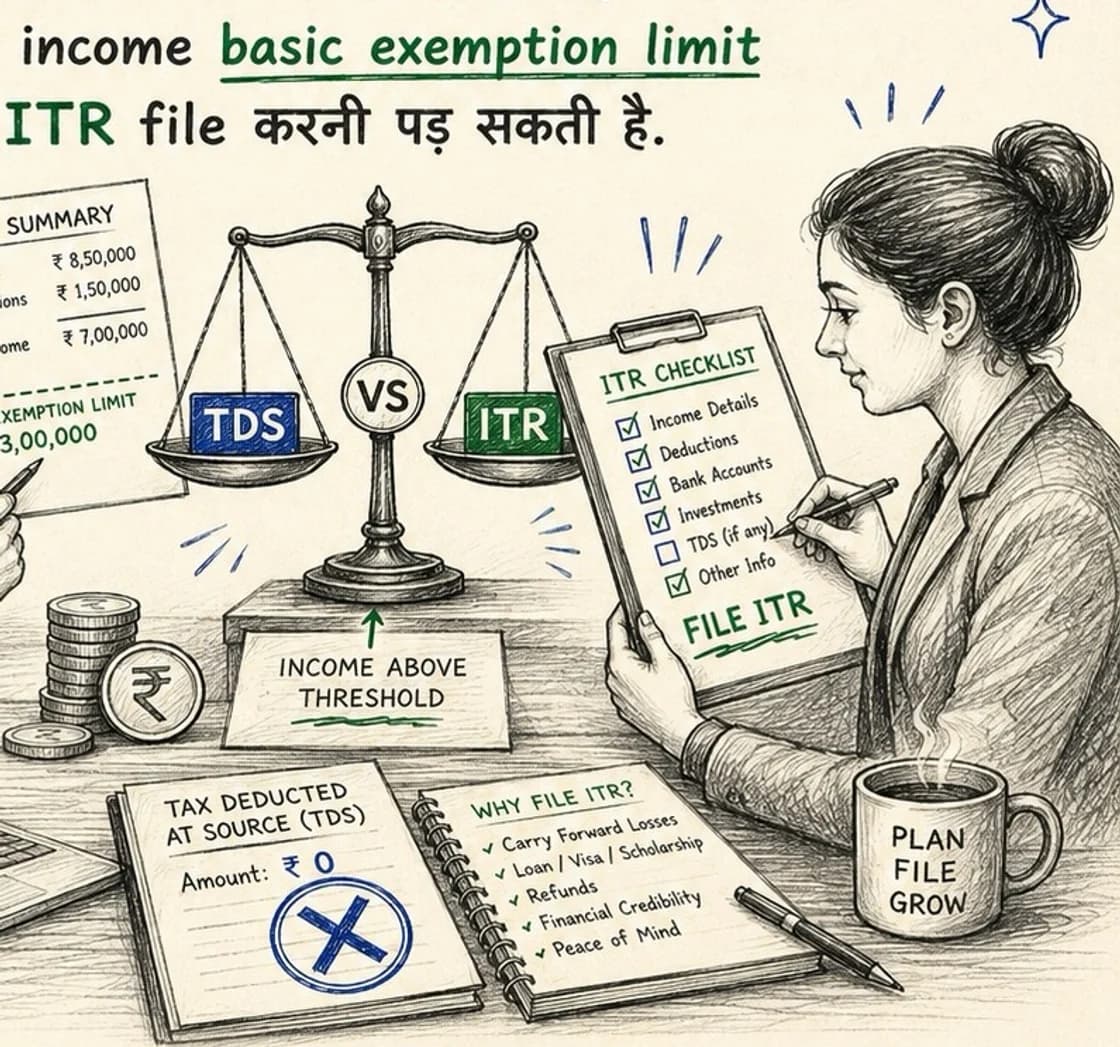
The trap is dropping out. If you declare below the presumptive rate, or exit the scheme after opting in and your income exceeds the basic exemption, you can be pulled into books-and-audit territory, and business rules restrict re-entry for several years. Also remember presumptive covers business income only — capital gains, rent and interest are taxed separately on top.
Act on it
Frequently asked
- What is Presumptive taxation?
- Presumptive taxation lets small businesses and professionals declare profit as a fixed percentage of turnover instead of maintaining detailed books and getting audited. Under the Income-tax Act 2025 the old sections 44AD, 44ADA and 44AE now sit in section 58. Businesses typically declare 8% of turnover (6% for digital receipts) and professionals 50% of gross receipts.
- Who is eligible for presumptive taxation?
- Small businesses (old 44AD) with turnover up to ₹2 crore, extended to ₹3 crore where cash receipts stay within 5%; professionals (old 44ADA) up to ₹50 lakh, extended to ₹75 lakh on the same low-cash condition; and transporters (old 44AE), who declare fixed income per vehicle.
- What profit rate is declared under presumptive taxation?
- Businesses declare 8% of cash turnover or 6% of digitally received turnover; professionals declare 50% of gross receipts. You file ITR-4 and pay advance tax in a single instalment by 15 March.
Reviewed to the law in force in FY 2026-27. General information, not advice — confirm the position for your facts before acting.