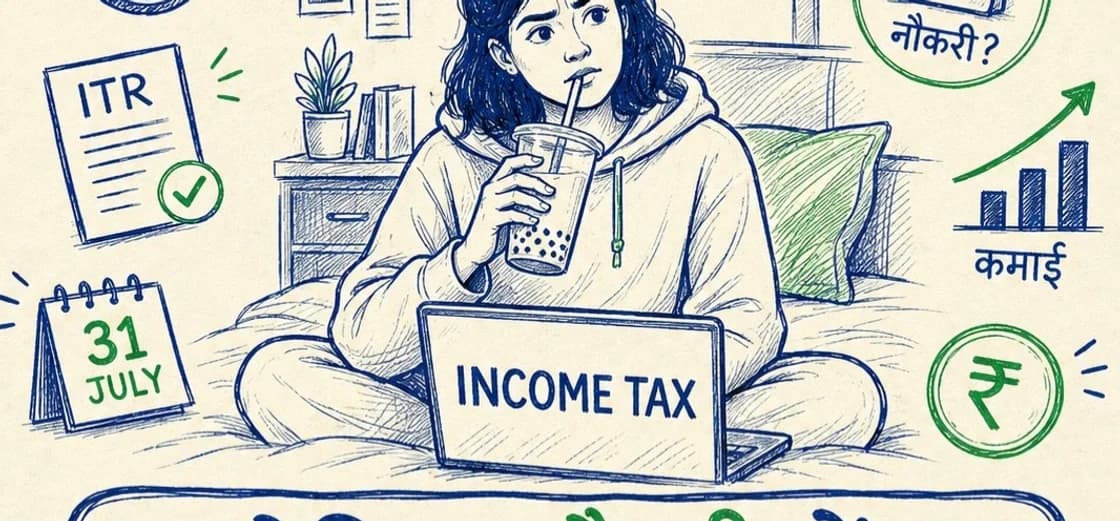
A belated return is an income tax return filed after the original due date but within the extended window the law allows. For FY 2026-27, if you missed your due date (31 July 2026 for non-audit ITR-1/2, 31 August 2026 for ITR-3/4), you can still file belated up to 31 December 2026, with a late fee and some lost benefits.
Filing belated works exactly like normal filing on the portal — you just select the belated option and pay the late fee under section 428(b) of the 2025 Act (the old 234F): ₹5,000, reduced to ₹1,000 where total income does not exceed ₹5 lakh. Interest on unpaid tax also runs from the original due date, so a belated return with tax payable gets more expensive every month you wait.
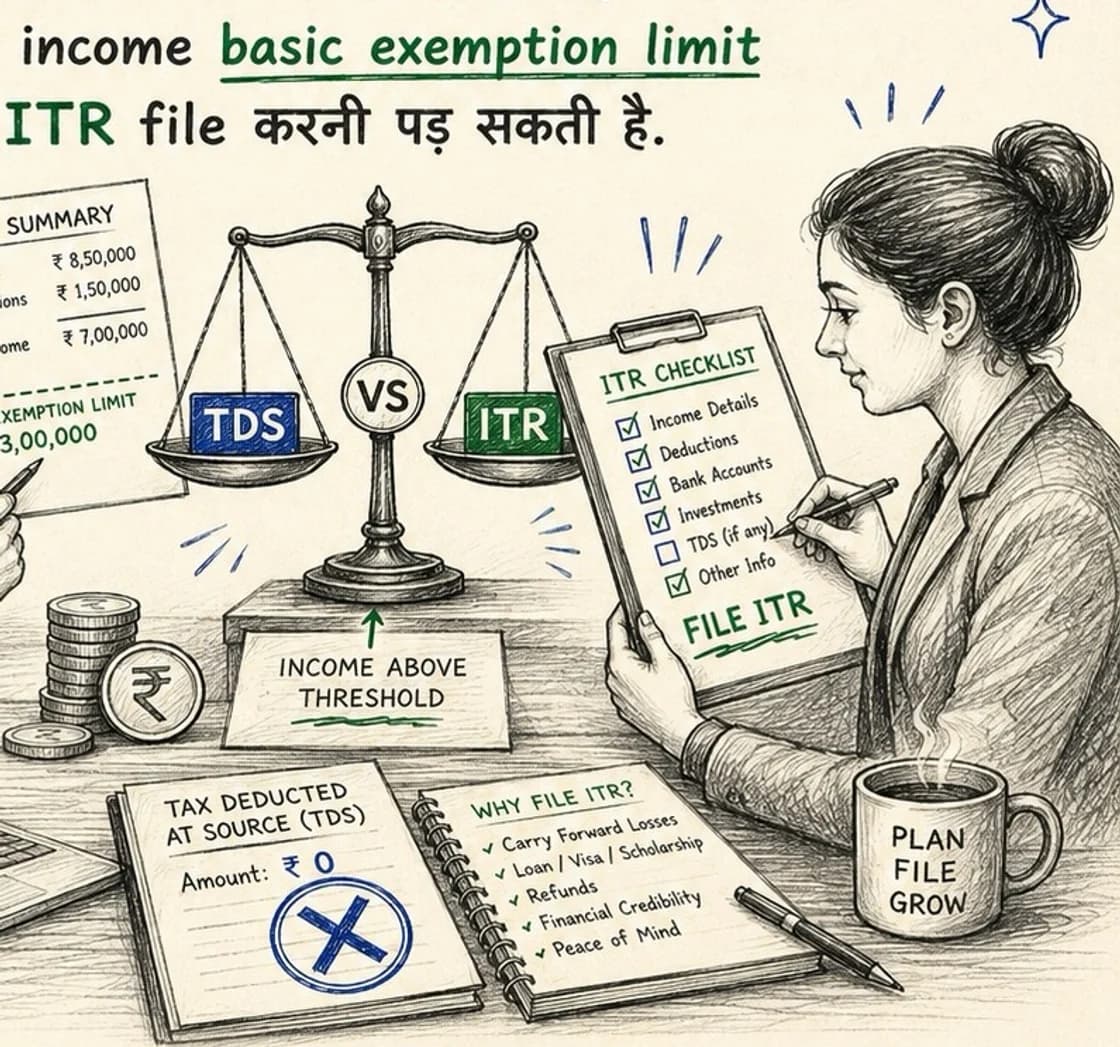
For a business owner the real costs are the side effects. Most business losses (other than house property loss and unabsorbed depreciation) cannot be carried forward if the return is belated — a genuinely bad year's loss is wasted. Refunds are delayed. And certain regime and scheme choices that must be exercised by the due date can be lost. So a belated return is damage control, not a strategy.
Common misconception: that missing 31 December means the year is closed forever. It is not — the updated return (ITR-U) route stays open for 48 months, though with additional tax stacked on top. The cheaper fix is always the earlier one: belated before 31 December 2026 beats ITR-U in every case where you are eligible for both.
Act on it
Frequently asked
- What is Belated return?
- A belated return is an income tax return filed after the original due date but within the extended window the law allows. For FY 2026-27, if you missed your due date (31 July 2026 for non-audit ITR-1/2, 31 August 2026 for ITR-3/4), you can still file belated up to 31 December 2026, with a late fee and some lost benefits.
- What is the last date to file a belated return?
- For FY 2026-27, if you missed your due date (31 July 2026 for non-audit ITR-1/2, 31 August 2026 for ITR-3/4), you can still file belated up to 31 December 2026.
- What is the late fee for a belated return?
- ₹5,000 under section 428(b) of the 2025 Act (the old 234F), reduced to ₹1,000 where total income does not exceed ₹5 lakh. Interest on unpaid tax also runs from the original due date, and most business losses cannot be carried forward.
Reviewed to the law in force in FY 2026-27. General information, not advice — confirm the position for your facts before acting.