
Ceasing operations and closing a legal entity are unrelated events. A company that stopped trading three years ago still owes three years of annual filings, and the penalties for not making them run per day without any upper limit. Directors carry consequences personally, including disqualification. Nobody sends a reminder — the liability simply accumulates until someone tries to start a new company and discovers the problem.
The order to do things in
- Settle or provide for liabilities — statutory dues first, since the strike-off route requires nil liabilities.
- Close out payroll: final settlements, PF and ESI, and the final TDS returns.
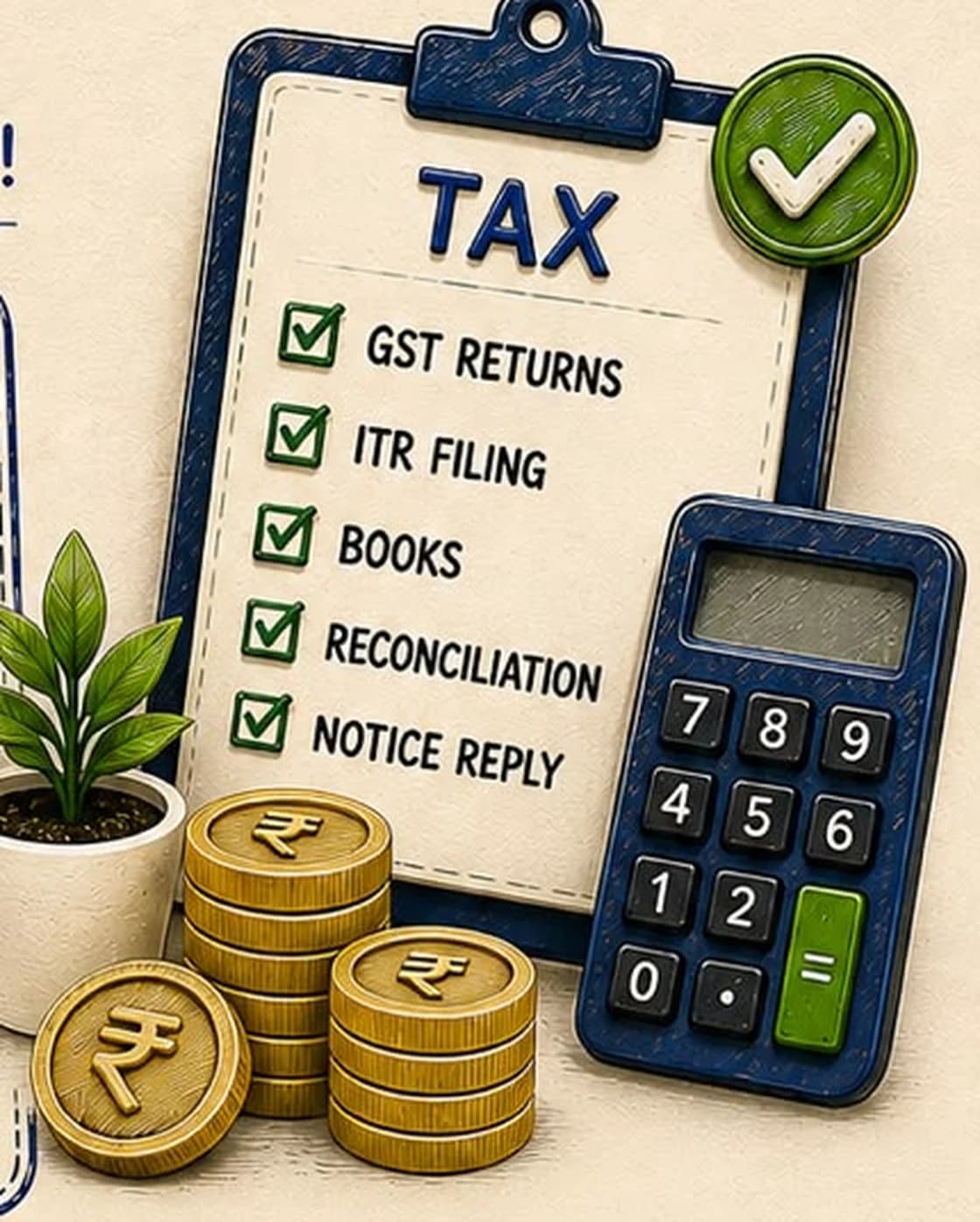
- Cancel GST registration and file the final return.
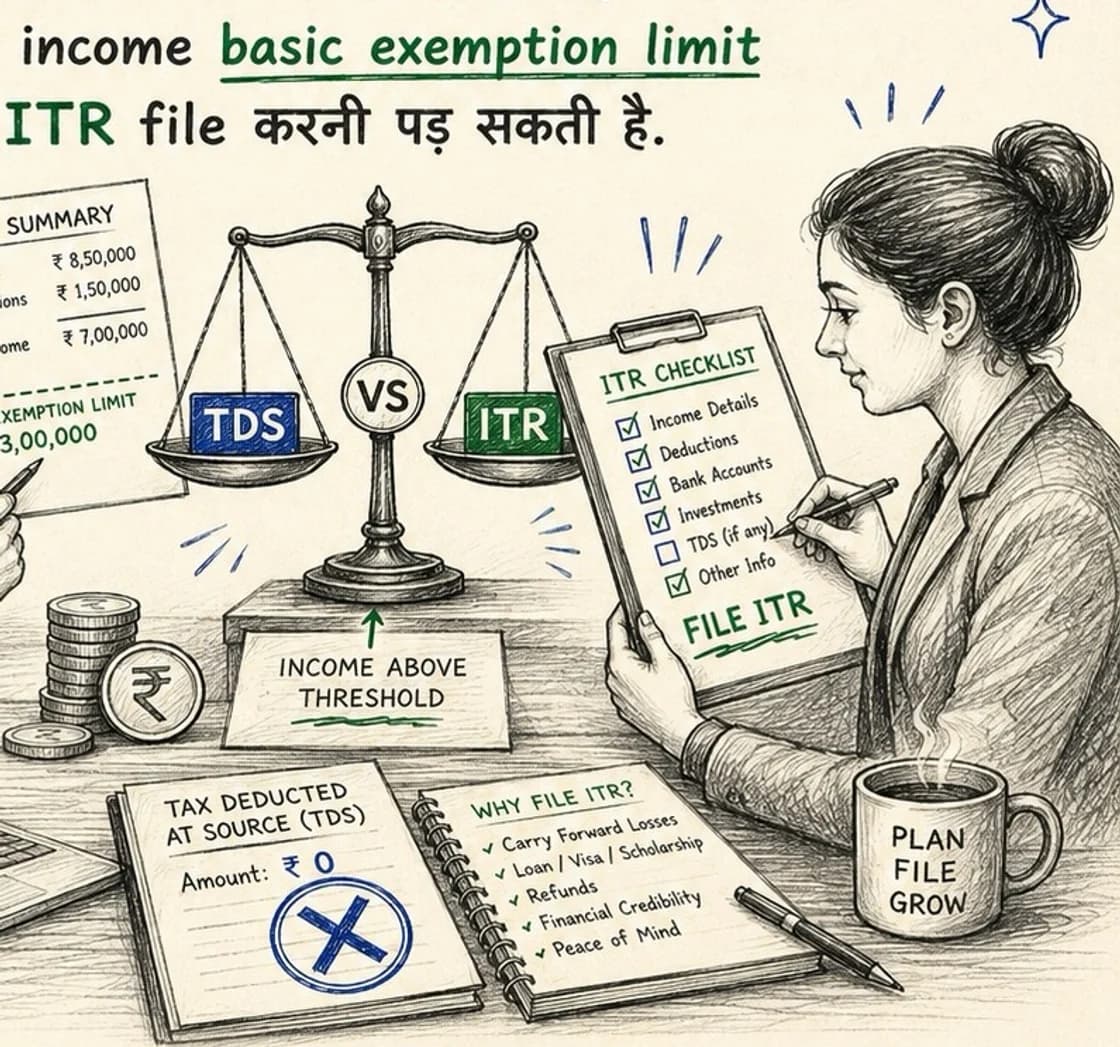
- File any outstanding income-tax returns.
- Complete outstanding ROC filings so the entity is compliant enough to be struck off.
- Apply for strike-off, and close the bank account only after everything requiring it is done.
Closing the bank account first is a common and costly sequencing error. Refunds cannot be received, statutory dues cannot be paid, and several filings become awkward. It is the last step, not the first.
Strike-off, and when it is available
The strike-off route in form STK-2 is the practical exit for a small company that never really traded or has ceased operations. Broadly it requires that the company has no assets and no liabilities, that operations have ceased, and that the members approve by special resolution. Outstanding annual filings usually have to be brought up to date first, which is where most of the cost sits for a long-dormant company.
Where a company has real assets and liabilities to distribute, strike-off is not appropriate and a formal winding-up process applies instead. That is a materially larger exercise and should be scoped separately.
GST exit: cancellation and the final return
- REG-16 — the application for cancellation of registration, stating the reason and the effective date.
- GSTR-10 — the final return, due within three months of the cancellation date or the cancellation order, whichever is later. It is separate from your ordinary returns and is frequently missed.
- Reversal of credit — input tax credit on stock and capital goods held on the cancellation date generally has to be reversed. This can produce a real cash liability at exit and should be quantified before applying.
A registration cancelled by the department for non-filing rather than on your own application creates its own difficulties, including the three-year filing bar closing the window on returns you may still need to file. Applying voluntarily is far cleaner than being cancelled.
Everything else that stays registered
Businesses consistently forget the peripheral registrations, each of which can continue to generate obligations:
- Professional tax registration in the relevant state.
- Shop and establishment registration, and its renewal cycle.
- IEC, which stays live and requires its annual confirmation — see export compliance.
- Udyam registration.
- FSSAI, trade licences and any sector-specific permissions.
- Trademark renewals, if you intend to retain the mark — which you may well want to do even after closing the trading entity.
If it has already been dormant for years
Do not assume the position is hopeless or that it is cheaper to leave it. Penalties continue to accrue, and director disqualification blocks future ventures. The usual path is to quantify the total exposure first, then bring filings current and apply for strike-off. Our company closure and strike-off service does exactly this, and backlog accounting rebuilds the records where they were never maintained.
Where we come in
We close entities in the right order — liabilities settled, GST cancelled with the final return filed, ROC brought current, then strike-off. Our company closure and strike-off service handles the whole sequence, including long-dormant companies where filings were abandoned years ago.
This article is general information, not professional advice. Limits, rates and dates change by notification — confirm the position for your own year before acting on it.