
Marketplace selling looks simple from the seller dashboard: list, ship, get paid. The compliance behind it is anything but. A seller on Amazon, Flipkart or Meesho sits inside a web of compulsory GST registration, platform-deducted TCS, monthly returns that must match marketplace reports, and an income-tax filing that is due this month for most sellers. Here is the whole stack in one place.
GST registration is not optional
If you sell goods through a marketplace that collects tax at source, GST registration is compulsory from the first rupee — the usual turnover threshold does not protect you. This is why Amazon and Flipkart will not onboard a goods seller without a GSTIN. A narrow relaxation exists for small sellers making only intra-state supplies, subject to conditions and enrolment on the portal, but for anyone shipping across state lines — which is practically every marketplace seller — registration comes first. If you are starting out, our GST registration service handles this end to end.
TCS: the 0.5% the platform keeps
Every marketplace collects tax at source on your net taxable sales — 0.5% since July 2024 (it was 1% earlier). The platform reports this in its GSTR-8, and the amount shows up in the TCS section of your GST portal login. It is your money: accept the TCS statement each month and the credit moves to your electronic cash ledger, where it can pay your output tax. Sellers who never log in to accept TCS quietly pay their GST twice.
The monthly return flow
Your GSTR-1 should be built from the marketplace tax reports (Amazon MTR, Flipkart sales report, Meesho tax invoice report), not from your bank credits — settlements are net of commission, shipping and returns, and never match gross sales. Remember two hard rules now in force: the auto-populated liability in GSTR-3B is locked, so errors in GSTR-1 can only be corrected through GSTR-1A before filing, and a return more than three years late can no longer be filed at all. We covered both in our note on the GSTR-3B hard lock. The Invoice Management System on the portal is also live — act on your inward invoices there so your ITC on platform commission flows cleanly.
Stock in other states: APOB and VPOB
Using FBA, Flipkart Smart or any warehouse outside Rajasthan? GST is state-wise. Stock sitting in a Haryana or Karnataka fulfilment centre generally needs a GSTIN in that state, with the warehouse added as an additional place of business (APOB). Virtual place of business (VPOB) providers exist to give you a registrable address in states where you have no office. Each extra GSTIN means its own returns — factor that into the decision before enrolling in every fulfilment programme the platform offers.
The income-tax side
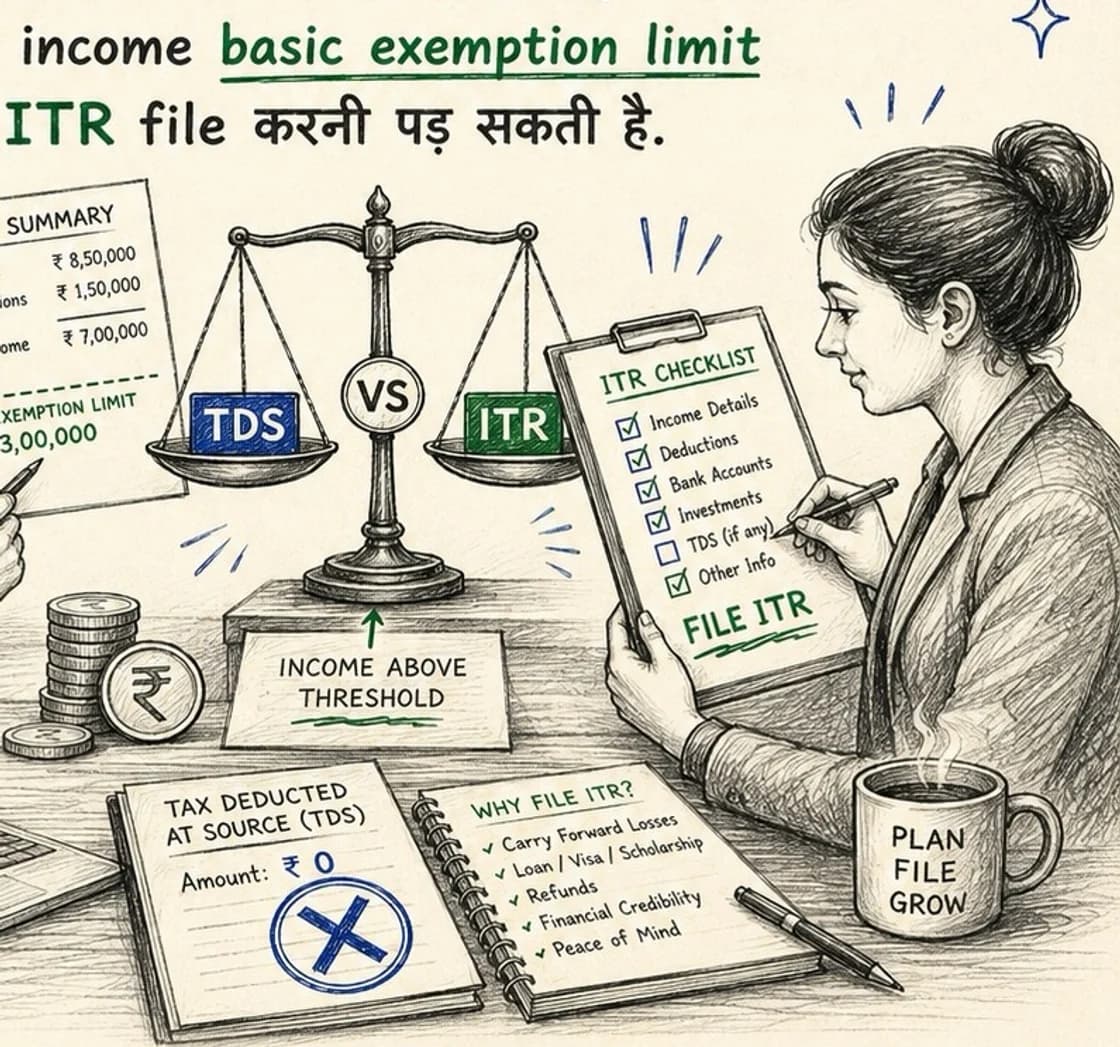
Most sellers can use the presumptive scheme — old section 44AD, now section 58 of the Income-tax Act 2025. Declare 6% of digital turnover (8% of cash turnover) as profit, skip detailed books, and file ITR-4. The scheme runs up to ₹2 crore turnover, extended to ₹3 crore where cash receipts stay within 5% — which marketplace sellers, paid entirely through settlements, usually satisfy. If your actual margin is thinner than 6% and you want to declare less, you need books and possibly audit, and you file ITR-3. Either way, note the date: non-audit business returns for tax year 2025-26 are due 31 August 2026. Our ITR-3 filing service covers the books-and-audit route.
Reconciliation: where sellers bleed
The recurring pain is three-way matching: marketplace settlement reports vs your GSTR-1 vs GSTR-2B. Returns and RTOs booked by the platform in a different month, commission and logistics invoices you never downloaded, TCS accepted late — each mismatch either inflates your tax or forfeits your credit. Do the reconciliation monthly, not at year-end when the annual return is due.
GST 2.0 rates on common categories
Since 22 September 2025 there are only four rates: 0%, 5%, 18% and 40%. Broadly, most items that sat at 12% moved down to 5% and former 28% items moved to 18%. For the categories marketplace sellers deal in most:
| Category | Rate |
|---|---|
| Apparel and footwear priced up to ₹2,500 | 5% |
| Apparel and footwear priced above ₹2,500 | 18% |
| Electronics and appliances (formerly 28%) | 18% |
| Most former 12% items (many home, kitchen and daily-use goods) | 5% |
Confirm your exact HSN before relisting — the marketplace rate engine applies what you declare, and a wrong mapping surfaces later as a demand, not a warning.
How we can help
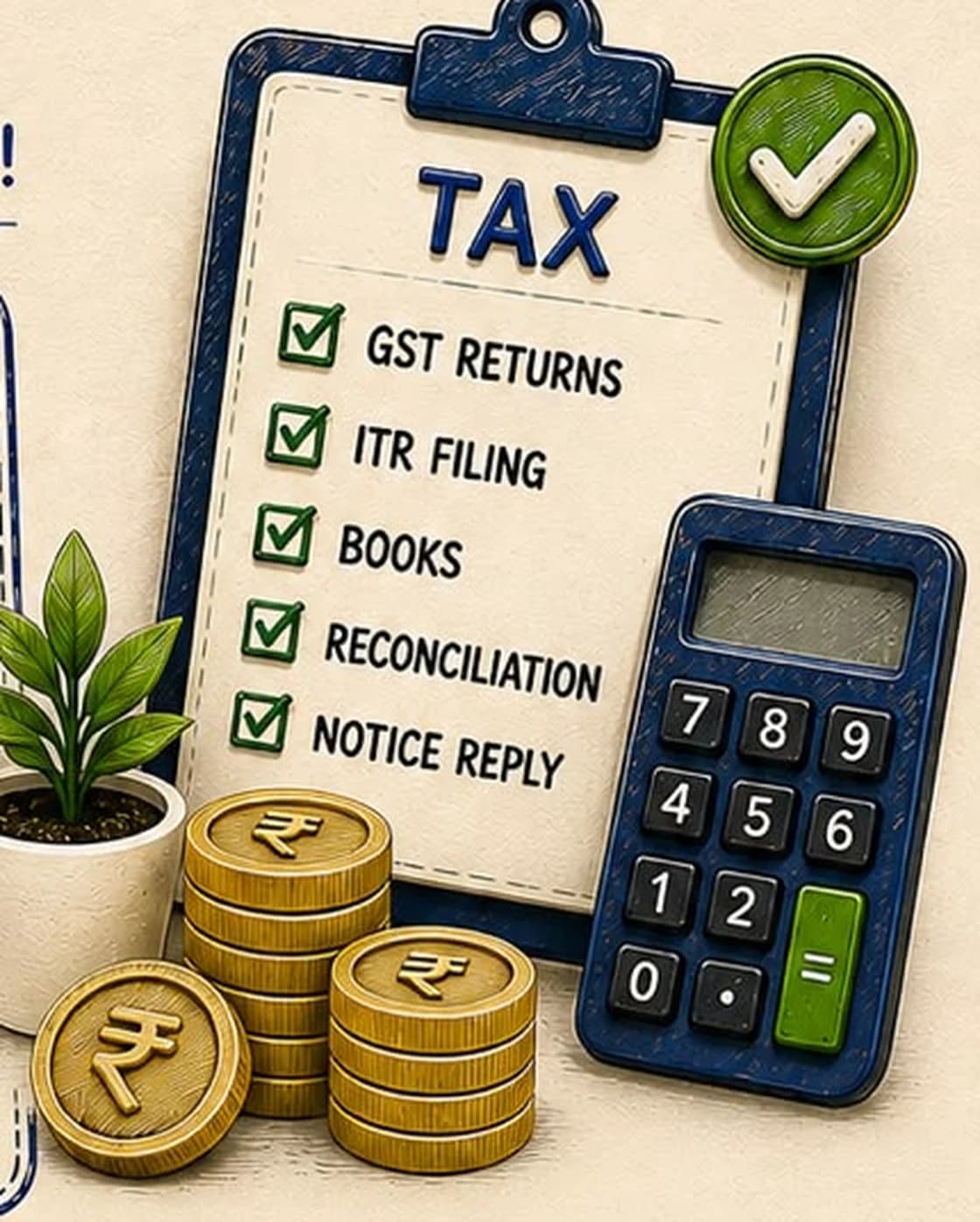
We run the full compliance stack for e-commerce and D2C sellers — registration, APOB additions, monthly GSTR-1/3B built from marketplace reports, TCS acceptance, settlement reconciliation and the year-end income-tax filing — on fixed monthly retainers with no lock-in. See what the e-commerce and D2C practice covers, or message us with your seller dashboard open and we will tell you exactly where you stand.
This article is general information, not tax advice. Rules and rates can change; confirm specifics for your business before acting.