
A composite case drawn from real engagements with Jaipur e-commerce sellers; names, figures and identifying details changed.
The brand did everything the growth videos say: a family stitching unit, sharp photography, listings on Meesho first, then Amazon and Flipkart, ₹1.8 crore of gross sales within two years. The founder's question to us was simple and slightly embarrassed: “Sales keep growing. Why is there never money?” The answer lived in three places nobody was reconciling: platform settlements, the returns pipeline, and a GST trail that had fallen behind the business.
What the diagnostic found
- TCS sitting unclaimed. Marketplaces collect 0.5% TCS on taxable sales and report it against the seller's GSTIN. Claiming it needs a monthly acceptance flow on the portal — which nobody had been doing. Months of small percentages on ₹1.8 crore had quietly become a meaningful cash balance parked with the government.
- GSTR-1 built from estimates. Sales were being declared from bank credits, not from marketplace sales reports. Settlements arrive net of commission, shipping, penalties and ad spend — so declared turnover drifted from platform-reported turnover, exactly the mismatch the department's analytics compare.
- Returns invisible in the books. Apparel return and RTO rates are brutal, and every return carries costs — forward shipping, reverse shipping, damaged stock. The books recorded sales; they did not record un-sales. Reported margin was a fiction.
- Stock in three states, registration in one. Moving inventory into fulfilment centres created additional-place-of-business obligations (APOB) the brand had never registered.
The rebuild
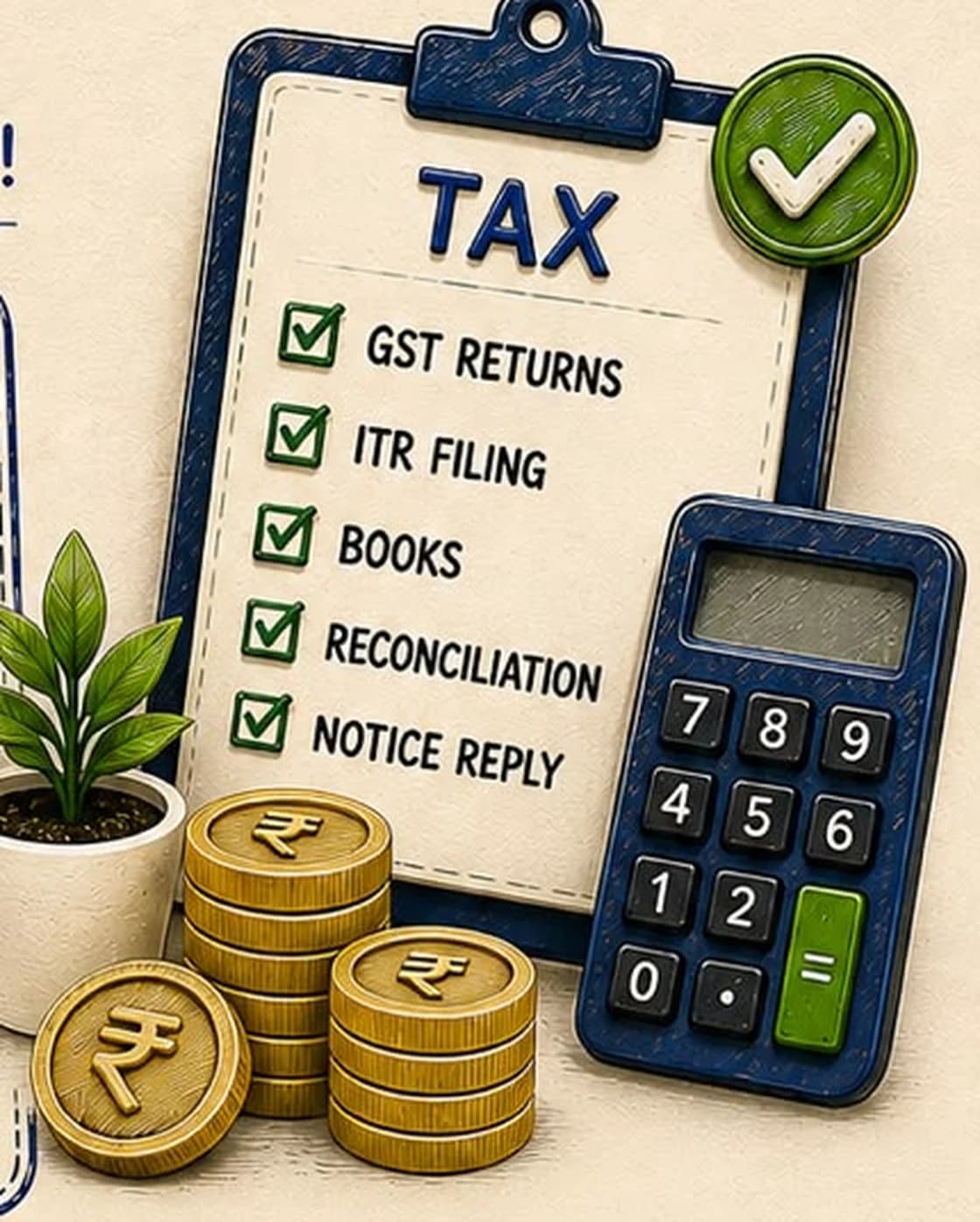
The core fix was a monthly marketplace reconciliation, one per channel: platform sales report → GSTR-1 (from the report, not the bank) → TCS accepted and claimed → settlement statement decomposed into commission, logistics, ads and penalties (each with its own GST invoice from the platform, each a claimable input credit) → net settlement tied to bank. Returns got their own ledger: credit notes issued and reported, damaged stock written off honestly, RTO costs charged to the channel that caused them.
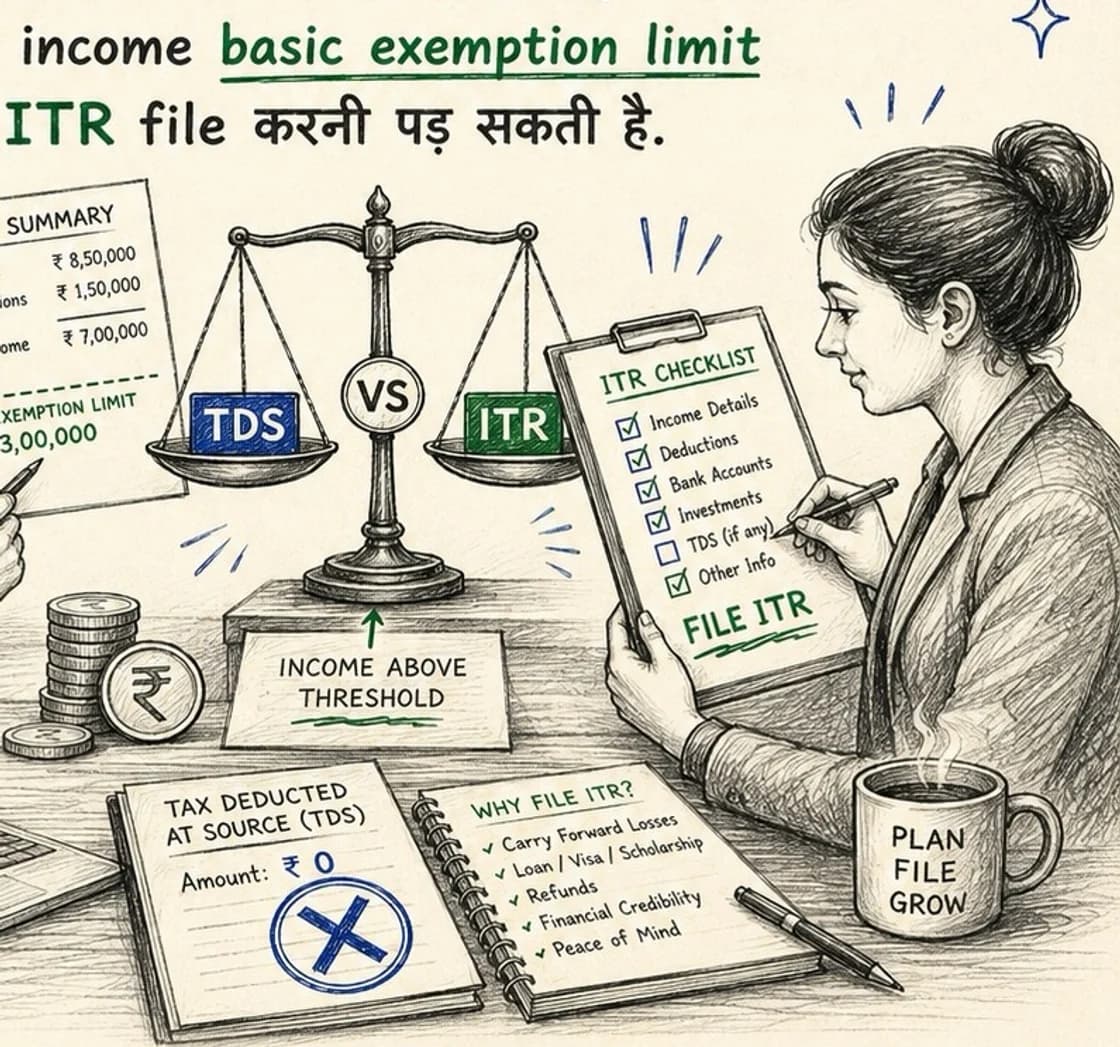
On the registration side we regularised the fulfilment-centre APOBs and set the compliance calendar to the platforms' rhythm. The income-tax leg was tidied too: marketplaces deduct TDS under section 194-O, and those credits were mapped and claimed in the ITR instead of leaking. The whole stack is the one described in our e-commerce seller compliance guide.
Then the pricing truth
With clean data, we built the brand's first channel P&L — and it restructured the business:
| Finding | Action taken |
|---|---|
| Budget-price SKUs on one channel lost money after returns | Price floors raised; two SKU lines discontinued |
| Premium line carried the brand's entire profit | Ad spend reallocated toward it; catalogue expanded |
| Return rates varied sharply by fabric and fit | Size charts and fabric descriptions rewritten; returns fell |
| GST 2.0 moved apparel slabs by price point | Price architecture re-planned around the 5% band for everyday pieces, with the premium line priced knowingly into the higher slab |
What changed in the numbers
- A five-figure TCS balance recovered into the cash ledger in the first quarter.
- Declared turnover reconciled to platform reports — the mismatch risk retired.
- True net margin per channel known monthly; overall margin up several points from pricing and SKU decisions, not from selling more.
- The founder's question answered: the money now arrives, and stays.
Lessons that generalise
- Marketplace reports are the source of truth — for GSTR-1, for TCS, for margin. Bank credits are the last chapter, not the story.
- Returns are a P&L line. If your books cannot show the cost of a return, your margin is a guess.
- Every platform fee carries claimable GST. Commission, shipping, ads — collect the invoices, claim the credit.
- Growth without reconciliation compounds risk at exactly the rate it compounds revenue.
How we can help
Our e-commerce compliance service runs this machinery monthly — platform reconciliations, TCS claims, returns accounting, APOB registrations and a channel P&L you can price from — alongside GST filing built from the right data. If you sell on marketplaces and cannot say which channel made money last month, the diagnostic is where we start.
The full rulebook: the 2026 compliance stack for Amazon, Flipkart and Meesho sellers →
This case study is illustrative general information, not advice. Platform policies and tax rates change; confirm current rules for your channels before acting.