Legal Notice Drafting and Replyfrom ₹4,999/-*
Recovery, breach and delayed-payment notices — drafted to be acted on
+ 18% GST · no lock-in · First draft within 2–4 working days of receiving the papers; replies to a notice already received are prioritised against its stated deadline.
Legal Notice,end to end.
At a glance
Starts at ₹4,999/-* · First draft within 2–4 working days of receiving the papers; replies to a notice already received are prioritised against its stated deadline.
- Review of the contract, invoices and correspondence
- Assessment of the claim, the limitation position and the right forum
- Drafting of the notice or the reply
- One round of revisions and guidance on service and proof of despatch
- Advice on the next step if the notice is ignored
Reviewed by Ashish Kumar Sharma · Founder
Built forthese businesses.
Businesses chasing overdue invoices
MSME suppliers whose buyer has crossed forty-five days
Parties facing breach of a contract or a service agreement
Anyone who has received a legal notice and must reply


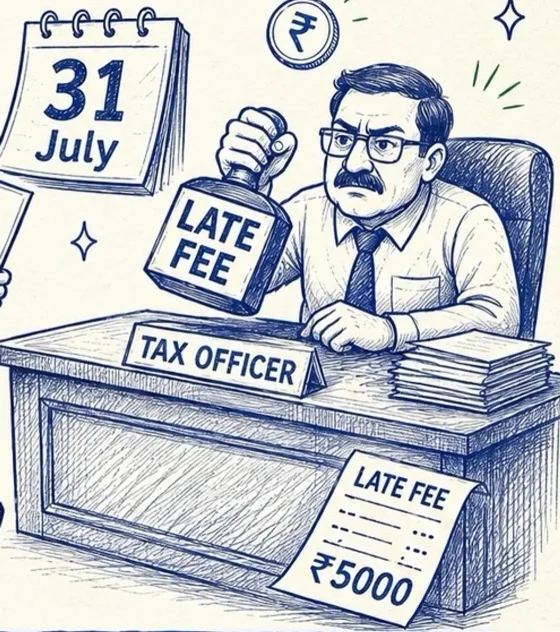
A legal notice is a formal written demand that records your position, fixes a date and gives the other side a defined period to act. Drafted properly it resolves a great many commercial disputes without anyone going near a court.
We review the contract and the correspondence, check limitation and forum, draft the notice or the reply, and tell you what the realistic next step is if it is ignored.
What a notice does, and when it is worth sending
A notice converts an informal dispute into a documented one. It states the facts, identifies the obligation breached, quantifies the claim and sets a period for compliance — and it does all of that on a date that is on record. In recovery matters this alone settles a large proportion of cases, because the debtor now has to decide whether to defend a position in writing.
It is worth sending when the amount justifies the follow-through. A notice threatening proceedings you will never file teaches the other side that your demands can be ignored, so we discuss that before drafting.
Recovery and breach of contract
Recovery notices turn on documents rather than adjectives. We work from the purchase order or agreement, the invoices, the delivery acknowledgements and the ledger, and we look hard for a written acknowledgement of the debt or a part payment, because either resets the three-year limitation period under the Limitation Act, 1963.
Breach notices are different in emphasis. They identify the clause breached, the loss caused, whether the contract requires notice and a cure period before termination, and where any dispute is to be resolved. Getting the termination mechanics right in the notice is what preserves your position afterwards.
MSME delayed payments — the forty-five day claim
If you hold Udyam registration as a micro or small enterprise, the MSMED Act, 2006 gives you a materially stronger claim than an ordinary supplier. The buyer must pay by the agreed date and in no case later than forty-five days from acceptance or deemed acceptance of the goods or services. Beyond that, compound interest runs at the statutory multiple of the RBI bank rate.
Two further levers matter. A reference can be made to the Micro and Small Enterprises Facilitation Council for conciliation and then arbitration, which is faster and cheaper than a civil suit. And under section 43B(h) the buyer loses the deduction for that purchase until it is actually paid — a point that moves finance departments when nothing else does.
Cheque dishonour: the deadlines are unforgiving
Where a cheque is returned unpaid, the statutory route under the Negotiable Instruments Act runs on fixed periods. The demand notice must go within thirty days of receiving the bank's dishonour memo. The drawer then has fifteen days to pay. If he does not, a complaint may be filed within thirty days of that period expiring. Each is jurisdictional — miss one and the criminal remedy is gone, leaving only a civil claim. We diarise them from the memo date.
Replying to a notice you have received
Ignoring a notice is rarely the cheap option. Silence is put to you later as acquiescence, and it removes any chance of settling before costs mount. A reply should be sent within the period stated, should deny what is wrong specifically rather than generally, should set out your own version with documents referenced, and should raise any counterclaim or set-off you have. Where a genuine settlement is possible, the reply can open that conversation without conceding the claim.
Why draft through TCC
Notices are drafted by lawyers and experienced professionals on our panel, with TCC managing the brief, the documents and the timeline. Because we also hold your invoices, ledgers and GST data, the numbers in the notice reconcile to your books — exactly what the other side's accountant checks first. Fixed fee, one round of revisions, and a clear view of what follows if the notice is ignored.
What's included
- Review of the contract, invoices and correspondence
- Assessment of the claim, the limitation position and the right forum
- Drafting of the notice or the reply
- One round of revisions and guidance on service and proof of despatch
- Advice on the next step if the notice is ignored
How we work
01
Brief
We review the papers and establish the claim.
02
Assess
We check limitation, forum and the strongest ground.
03
Draft
We prepare the notice or reply and revise once.
04
Serve
We guide despatch and retention of proof of service.
Documents we need
- The agreement, purchase order or work order in question
- Invoices, delivery challans and acknowledgements of receipt
- Ledger or statement of account showing the outstanding balance
- Emails, WhatsApp messages and reminders exchanged
- The notice received, with its envelope and date, where a reply is required
- Udyam registration certificate, for an MSME delayed-payment claim
Frequently asked
What does a legal notice actually achieve?+
It puts a demand on record with a date, records your version of the facts before memories become convenient, and gives the other side a defined period to comply. In recovery matters a properly drafted notice settles a substantial share of disputes without proceedings.
Is a legal notice compulsory before suing?+
Not generally in a private commercial dispute, though it is expected practice and helps on costs. It is mandatory in specific situations, notably the demand notice in a cheque dishonour matter and where a statute requires notice to a government body.
How long do I have to recover money?+
Money claims are generally subject to a three-year limitation period under the Limitation Act, 1963. Acknowledgement of the debt in writing, or a part payment, can reset that clock — which is why we look for one in the correspondence before drafting.
What is the MSME forty-five day rule?+
Under the MSMED Act, 2006 a buyer must pay a registered micro or small enterprise within the agreed date, and in any case within forty-five days of acceptance or deemed acceptance. Beyond that, compound interest at the statutory multiple of the RBI bank rate runs on the amount.
What is MSEFC?+
The Micro and Small Enterprises Facilitation Council, to which a delayed-payment reference can be made for conciliation and, failing that, arbitration. The notice should be drafted with that route in mind.
Does the buyer face a tax consequence?+
Yes. Under section 43B(h) of the Income-tax Act the buyer gets a deduction for the purchase only in the year it is actually paid where payment to a micro or small enterprise is delayed beyond the statutory period. Saying so in the notice tends to concentrate minds.
What are the cheque dishonour timelines?+
The demand notice must be issued within thirty days of receiving the bank's dishonour memo; the drawer then has fifteen days to pay; and a complaint may be filed within thirty days after that. Miss any of them and the criminal remedy is lost, though the civil claim survives.
I have received a notice. Should I reply?+
Almost always. Silence is treated as acceptance of the allegations later, and a reply lets you record your version, deny what is wrong and put your counterclaim on the table while the matter is still out of court.
Legal Notice across India. We file for clients in Jaipur, Jodhpur, Udaipur, Kota, Ajmer, Bikaner, Delhi, Mumbai, Bengaluru, Pune, Surat and Ahmedabad, and everywhere the portals reach.
Related services
- Legal DraftingClear, enforceable contracts and business documents, drafted by experts
- Notice HandlingReplies to GST, income tax and TDS notices — drafting to hearings
- MSME RegistrationFree government Udyam registration with full expert support
- Certification & AttestationCertified statements and attestations, signed by a Chartered Accountant
- Bookkeeping & MISMonthly books, ledgers, P&L, balance sheet and MIS dashboards
- Backlog AccountingCatch up months or years of pending books, cleanly and fast

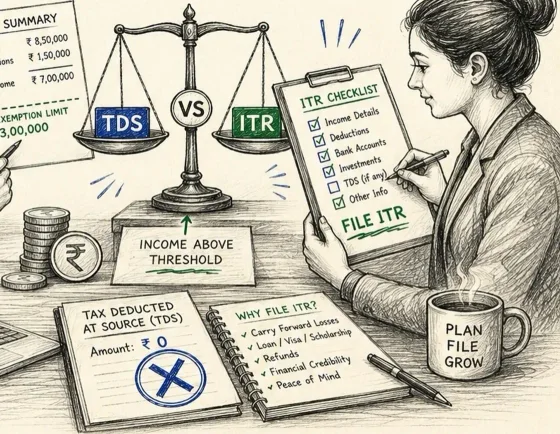
Ready for hassle-free Legal Notice?
Pick a slot or WhatsApp us — we'll take it from there.
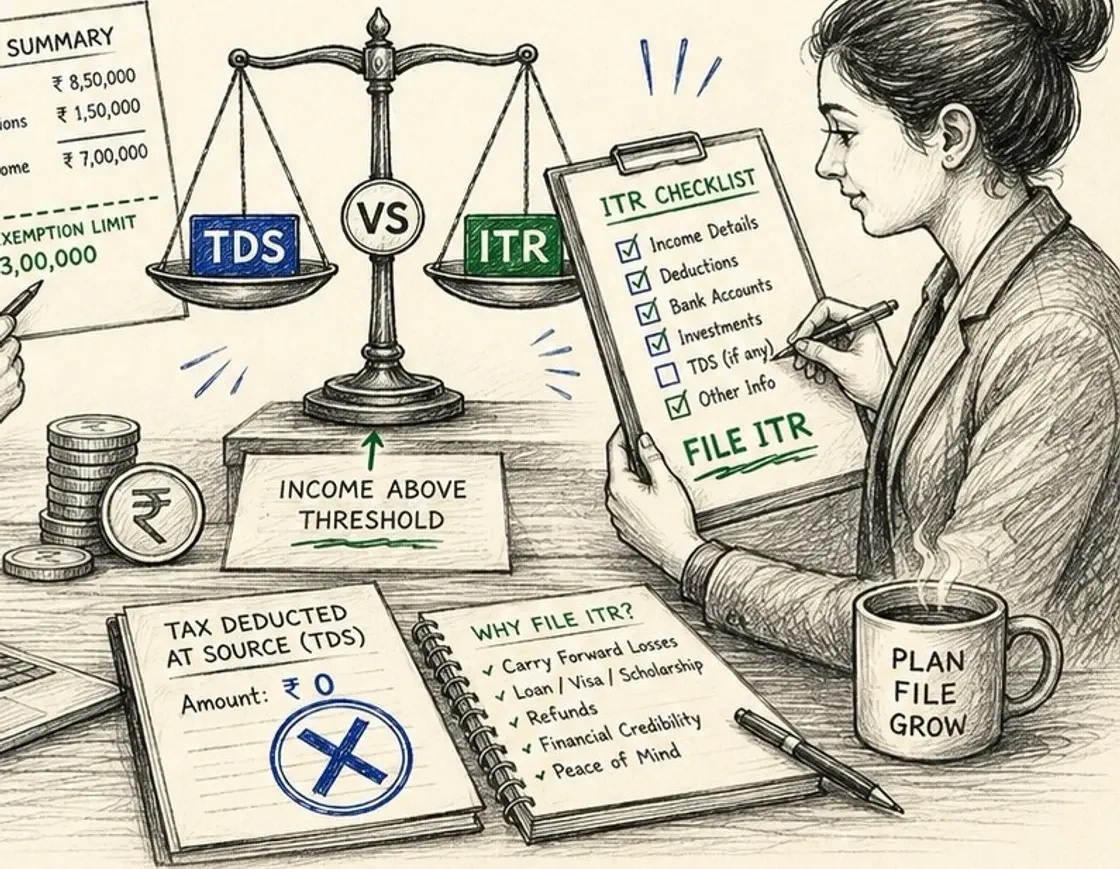
- Reply within one working hour on WhatsApp
- Fixed monthly fee, agreed before any work starts
- No lock-in — month to month, 15 days’ notice
Request a callback
Two fields and you are done. We reply on WhatsApp within one working hour, Mon–Fri 10:00–19:00 and Sat 10:00–14:00 IST.
or message us on WhatsApp instead →